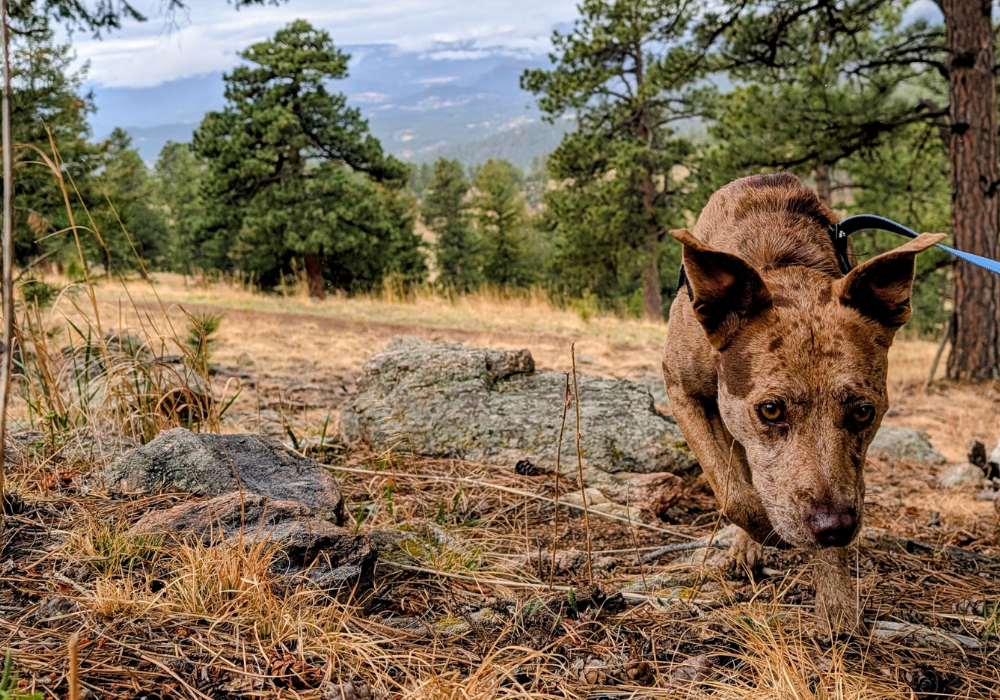
Did you know your dog might have a preferred paw?
Just like humans tend to favor one hand over the other, many dogs show a preference for using one paw more than the other. Some pups are left-pawed, some are right-pawed, and some are perfectly happy using either one.
While your dog’s paw preference probably will not change the way they hike, it is a fun little detail that can help you better understand your furry friend.
So… which paw does your dog prefer? Let’s find out.
What Does It Mean to Be Left or Right-Pawed?
A dog’s paw preference is called pawedness or laterality. It simply means they naturally prefer using one side of their body over the other when completing certain tasks.
Some dogs may:
- Reach for a toy with the same paw every time
- Step forward with the same paw first
- Prefer one side when lying down or getting up
- Use one paw more when interacting with objects
Unlike humans, many dogs do not have a strong preference. Some pups are what researchers call “ambidextrous,” meaning they are comfortable using both paws.
Try the Treat Test 🐾
One of the easiest ways to test your dog’s paw preference is with a simple treat activity.
The Kong or Toy Test –
- Put a treat inside a toy, puzzle feeder, or something your dog has to hold.
- Watch which paw they use to stabilize it.
- Repeat several times.
- Keep track of their results.
Does your dog always use the same paw? Or do they switch it up depending on the situation?
Try the “Shake” Test
Another fun test:
- Ask your dog for their paw.
- Notice which paw they offer first.
- Repeat the trick several times on different days.
The paw they naturally offer first may be their preferred paw. (Although some dogs are professional guessers and will offer whichever paw gets them a treat faster.)
Watch Them on the Trail
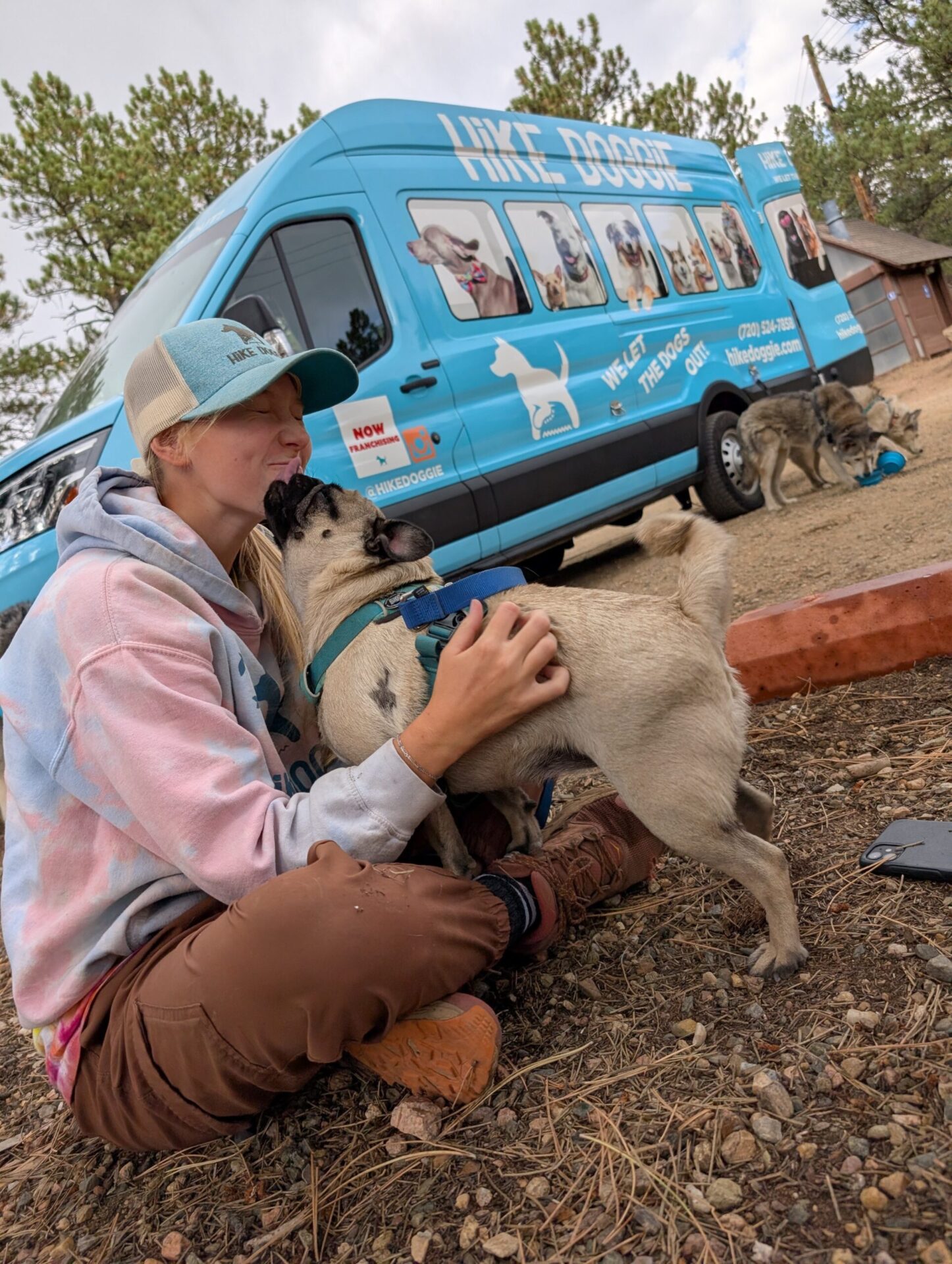
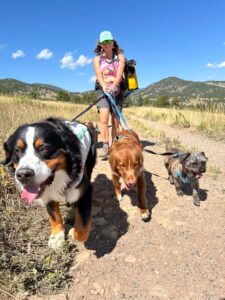
At Hike Doggie, we spend a lot of time watching dogs move through different environments, and the trail can reveal all kinds of little personality traits.
Pay attention during your next adventure:
- Which paw steps onto a rock first?
- Do they always climb over obstacles the same way?
- Do they favor one side when sniffing around trees?
- Which direction do they naturally turn?
Your dog’s everyday movements can reveal their unique habits.
Does Paw Preference Matter?
Usually, a dog being left- or right-pawed does not affect their health or abilities. However, understanding your dog’s natural tendencies can help you notice changes. If a dog suddenly avoids using a paw or starts favoring one side, it could be a sign that something is uncomfortable and worth checking.
Every Dog Has Their Own Little Quirks
Maybe your dog is a proud lefty. Maybe they are a right-paw champion. Maybe they refuse to choose and keep you guessing. Either way, these little personality details are part of what makes every dog unique. The next time you are out on the trail, take a closer look.