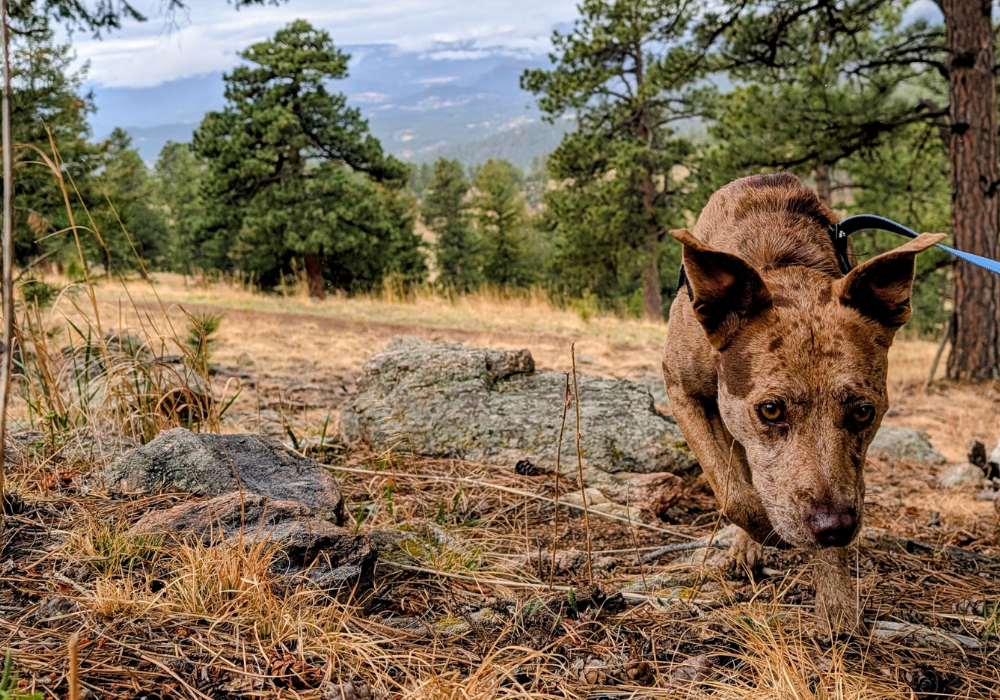
Spring might be one of the best seasons for hiking with dogs in Colorado, but it can also be one of the trickiest.
One trail could be dry and beautiful, while another just a few miles away is still covered in snow, packed with mud, or already entering rattlesnake season.
Choosing the right trail in spring isn’t just about finding a pretty view. It’s about finding the right balance of:
- Weather
- Elevation
- Trail conditions
- Safety
- Enrichment for your dog
Here’s how to pick the perfect spring trail for your pup.
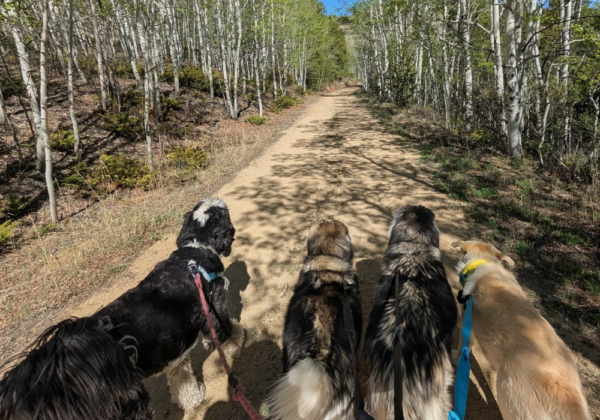
Spring Hiking in Colorado Is All About Elevation
In Colorado, elevation changes everything.
During spring, trails at different elevations can feel like completely different seasons.
General Spring Elevation Guide:
- Below 5,500 ft: warmer, muddier, more rattlesnake activity
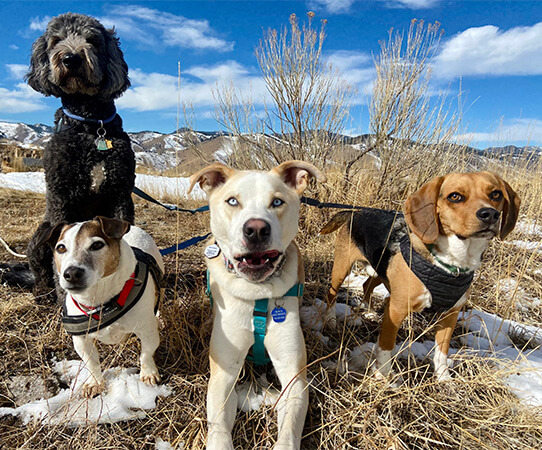
- 6,000–8,500 ft: often the sweet spot for spring hiking
- 9,000+ ft: lingering snow, mud, and icy conditions
Mid-elevation foothill trails are usually ideal because they offer:
- Melting snow without deep snowpack
- Cooler temperatures
- Drier trail conditions
- Fewer extreme weather issues
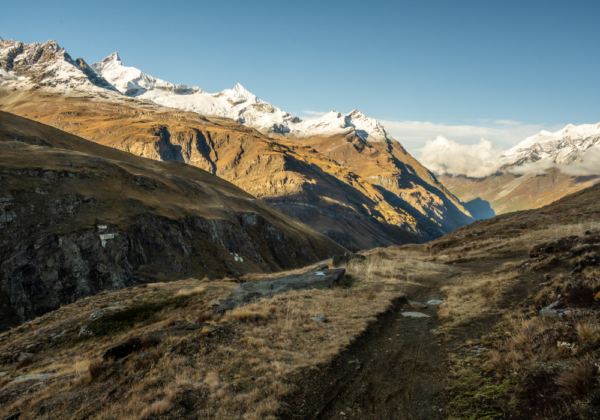
Don’t Assume Lower Elevation Is Better
A lot of people think lower elevation automatically means better spring hiking.
Not always.
Lower trails can become:
- Muddy messes after snowmelt
- Overcrowded
- Hotter than expected
- Active with rattlesnakes earlier in the season
South-facing foothill trails especially tend to dry out quickly and warm up fast.
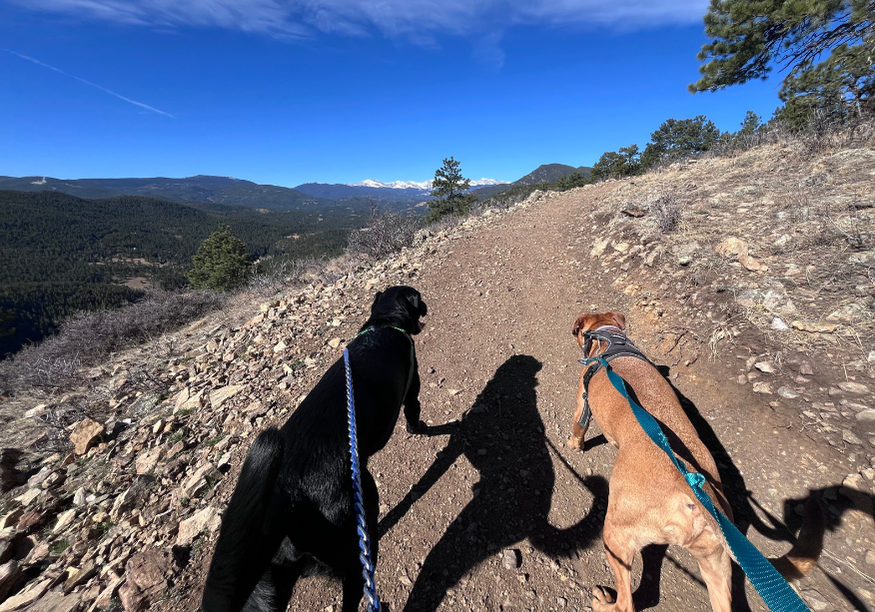
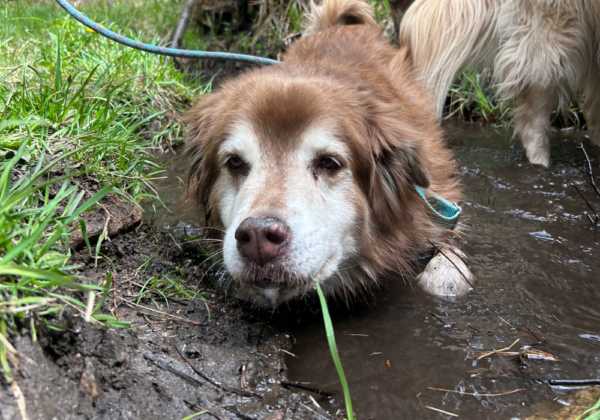
Watch for Mud Season
Colorado’s famous “mud season” is real.
As snow melts, many trails become soft, slippery, and heavily damaged by foot traffic. Hiking muddy trails can:
- Damage the trail itself
- Increase slipping risk
- Create frustrating conditions for everyone
A good rule:
If the trail looks extremely muddy, choose another route or wait a few days.
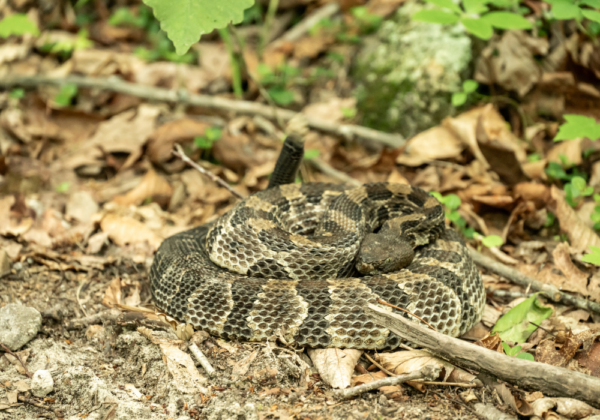
Be Aware of Rattlesnake Season
As temperatures warm up in spring, rattlesnakes begin emerging, especially on lower elevation foothill trails.
This doesn’t mean you should avoid hiking altogether, but it does mean you should:
- Keep dogs closer on narrow trails
- Avoid letting dogs explore blindly in brush or rocks
- Stay alert on warm afternoons
- Research current trail conditions before heading out
Rattlesnake activity is usually more common on:
- Dry foothill trails
- Rocky terrain
- Sunny south-facing areas
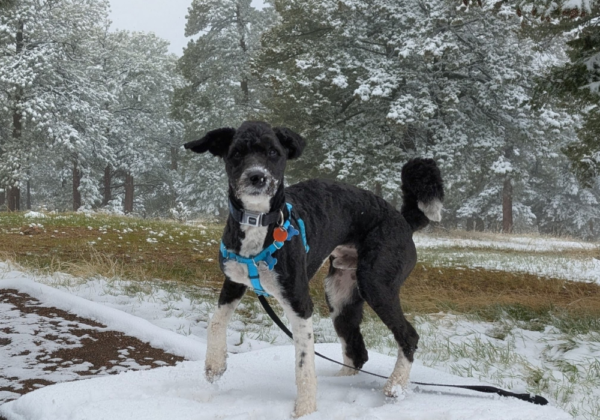
Colorado Spring Weather Changes FAST
One of the biggest mistakes hikers make in spring is underestimating Colorado weather.
A sunny 60-degree morning can quickly turn into:
- Wind
- Hail
- Rain
- Lightning
- Sudden temperature drops
Afternoon storms become increasingly common in late spring and early summer, especially in the mountains.
That’s why early hikes are often the safest and most enjoyable option for dogs.
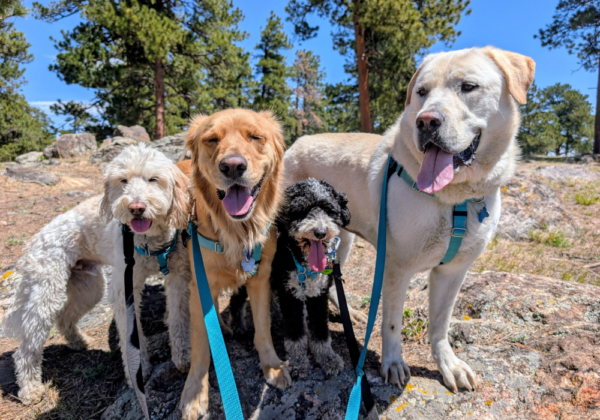
The Best Spring Trails for Dogs Offer More Than Just Exercise
The perfect trail isn’t necessarily the hardest or longest one.
For dogs, the best spring hikes usually include:
- Lots of natural smells
- Changing terrain
- Shade + water access
- Space to explore safely
- Moderate temperatures
Spring trails become a huge source of mental stimulation for dogs because they’re packed with new scents and environmental changes.
That’s why spring is one of the best seasons for dog enrichment activities outdoors.
Don’t Have Time to Scout Trails Every Week?
Finding safe, dog-friendly spring trails in Colorado takes time, planning, and constant weather awareness.
That’s where Hike Doggie comes in.
We carefully choose trails based on weather conditions, elevation, mud and snow levels, safety, and overall dog experience.
That way your dog gets all the benefits of outdoor adventure, enrichment, and exploration without you having to stress about trail conditions.
 Learn more: Hike Doggie